Diabetes Support
For individuals, caregivers, and families
Whether you are navigating a new diagnosis, have been living with diabetes for decades, or supporting a family member or friend, we can work together to build awareness, confidence, and trust—at a pace that feels supportive and sustainable for you.
Far too often, a diagnosis of Type 1 Diabetes (or any type of diabetes for that matter) can be an incredibly shocking and overwhelming experience. How am I going to learn how to count carbs accurately? Will my friends and family understand me? What does this mean for my health in the future? How will I be able to afford my insulin and pump supplies? How do I even operate an insulin pump correctly? Chances are if you are living with T1D or know someone who is, you know these questions are only a fraction of the many thoughts and worries that go into the daily responsibility of managing this condition.
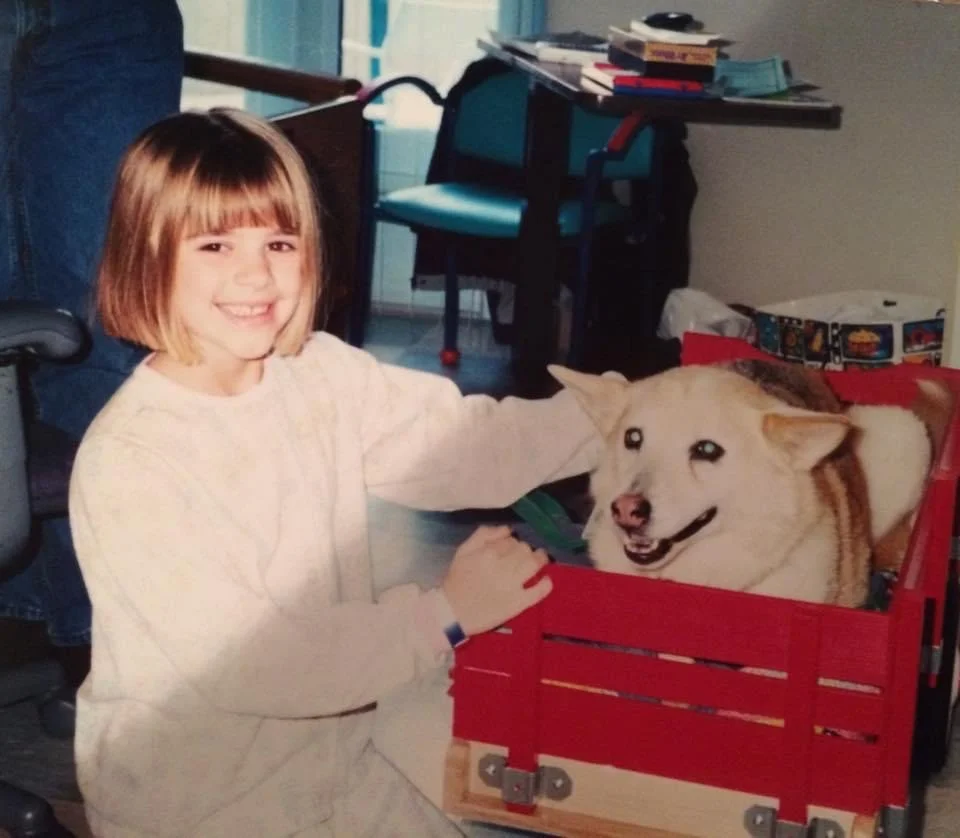
Shelby was diagnosed with Type 1 Diabetes while on a family vacation at age 7 (see above picture from the hospital with the therapy dog!) Having lived with type 1 for nearly three decades, Shelby has walked through the vast variety of challenges that managing such a demanding chronic illness can present. Understanding the many ways living with autoimmune disease is so closely intertwined with ones’ physiological experience of stress, activation within the nervous system, and one’s sense of self is one of Shelby’s deepest passions.
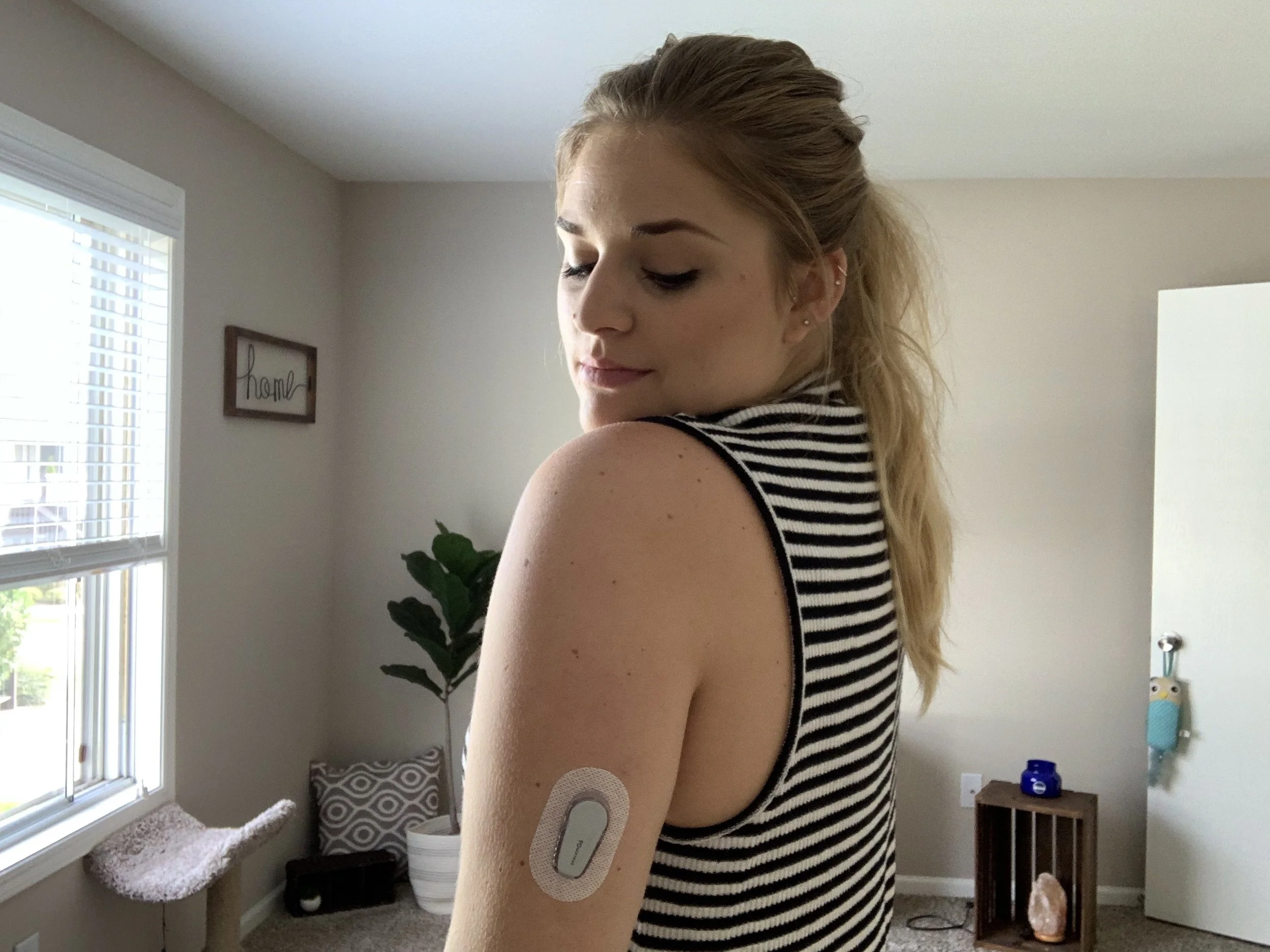
She has experience with and is able to support:
Chronic overwhelm and stress related to managing diabetes
Medical trauma related to initial diagnosis experience
Navigating a new diagnosis
Traumatic low blood sugar experiences
Diabetic burnout and exhaustion
“Riding the blood sugar rollercoaster”
Identifying helpful and unhelpful patterns of behavior related to insulin usage (rage bolusing, withholding insulin)
Diabulimia
Disordered eating patterns that may relate to your diabetes diagnosis
Grief and loss over the health and life you envisioned for yourself
Financial strain due to the cost of medical supplies and insulin
Fear of low blood sugars
The social impact of managing a chronic illness, particularly through child and adolescent years
The vast range of emotions related to living with a chronic, incurable illness
Working together, you may notice:
A greater sense of trust in your own body
An increased “felt sense” of your capacity to handle challenging experiences with diabetes
Reduced fear, self-blame, and diabetes burnout
Released patterns of shame and doubt in your ability to care for yourself with compassion
Freedom from constant hypervigilance and notice settling within your system
Increased self-compassion
Less emotional dysregulation and variability, particularly related to diabetes
An expanded ability to receive support from others
Reconnection to your sense of self as a whole
Living with type 1 diabetes isn’t just about numbers, devices, or doing everything “right.” It’s about learning to trust yourself again—your body, your judgment, and your ability to live a full life while managing a chronic condition.

Develop a more trusting relationship with your body
Your body is not broken or betraying you—it’s communicating. I support you in learning how to listen to your body with curiosity and compassion instead of judgment. Over time, this builds confidence in your ability to notice patterns, respond with care, and feel more at home in your body again.

Cultivate resilience, self-compassion, and agency
Rather than relying solely on external rules or approval, I support you in rebuilding trust in your own sense of agency—your body’s and nervous system’s capacity to respond and adapt. This resilience becomes an anchor, supporting a fuller life with T1D rather than one shaped primarily by fear or hypervigilance.

Strengthen confidence in managing a chronic illness
Managing T1D is complex, and there is no such thing as “perfect control.” It is possible to build realistic, sustainable confidence in your capacity to care for yourself—even on hard days. This includes learning how to navigate uncertainty, make informed decisions, and recover from setbacks without shame.
Note: Shelby is a licensed mental health professional, not a medical doctor. Shelby regularly collaborates with both pediatric and adult endocrinologists in the Chicagoland area and remains an active member of Breakthrough T1D as well as engages in the latest research on methods of managing and support T1D from a medical perspective. Shelby will not provide medical or nutritional advice but would be more than happy to collaborate with your or your child’s endocrinologist, dietician, or diabetes educator to better support your needs.
Interested in receiving support around living with diabetes or supporting a loved one who does?
I’d love to work with you individually and/or your support system!